
In This Article
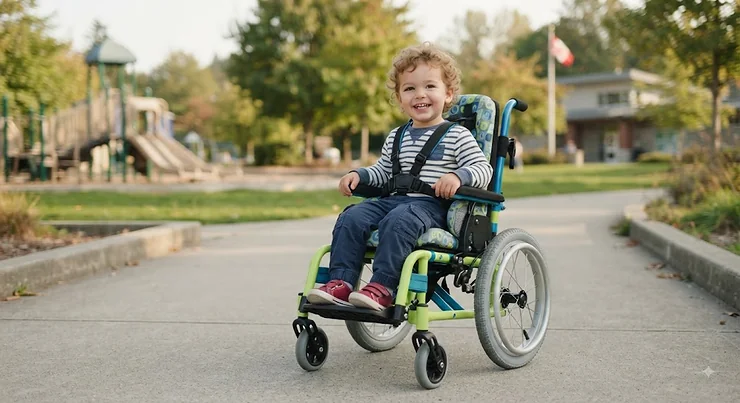
The first time you type “paediatric wheelchair for toddlers” into a search bar, you’re probably not doing idle research. You’re a parent, a grandparent, or maybe an aunt who just got handed a diagnosis and a stack of pamphlets, and you want to know what’s actually out there — not marketing fluff, not a wall of medical jargon, just a straight answer. Fair enough. Here’s the first honest thing this article will tell you: most of what shows up when you search “toddler wheelchair” on Amazon.ca isn’t built specifically for toddlers at all. It’s a lightweight paediatric transport chair, scaled down from adult designs, and sized more for a five- or six-year-old than a fifteen-month-old.

That distinction matters, so we’re not going to gloss over it. This guide walks through seven real, currently listed paediatric wheelchairs and transport chairs you can find in Canada, explains where each one genuinely fits (and where it doesn’t), and spends real time on the piece most buying guides skip entirely — how proper toddler positioning and mobility equipment actually gets prescribed, sized, and funded in Canada. A paediatric wheelchair for toddlers, broadly speaking, is a manual mobility or transport chair sized for children roughly one to four years old, typically featuring a narrow seat (around 10–14 inches), a lightweight frame, and safety belts, used either as a transitional mobility aid or a travel/transport support alongside a child’s primary seating system. Everything below builds on that foundation with specifics, comparisons, and the practical stuff nobody puts in the product description.
Quick Comparison Table
| Product | Seat Width | Best For | Price Range (CAD) |
|---|---|---|---|
| Ziggo 12″ Pediatric Wheelchair | 12″ | Truest toddler-scale fit | Around C$180–C$260 |
| Medline Pediatric Wheelchair | 14″W x 12″D | Budget all-rounder | C$200–C$300 |
| Medline Kidz Pediatric Wheelchair | 14″ | Caregiver-friendly handling | C$220–C$320 |
| Wallaby Pediatric Wheelchair (Inspired by Drive) | 14″–16″ (multiple sizes) | Crash-tested vehicle transport | C$350–C$500 |
| CUIOT Pediatric Wheelchair | 14″ | Budget aluminum alternative | Under C$220 |
| PEPE Mobility Kids Wheelchair | 14″ | Self-propel practice | C$180–C$260 |
| CXYTX Pediatric Wheelchair | 20.5″ | Growing-room, older preschoolers | C$220–C$320 |
Looking across this table, the pattern is pretty clear: seat width does most of the heavy lifting in deciding whether a chair is genuinely toddler-appropriate or better suited to an early-school-age kid. The Ziggo 12″ Pediatric Wheelchair is the narrowest true toddler fit in this lineup, while the CXYTX Pediatric Wheelchair‘s 20.5-inch seat is really built for a bigger, older child who needs room to grow into it. The Wallaby Pediatric Wheelchair sits apart from the rest because it’s the only one in this group independently rated for use as a vehicle seat during transport, which explains its higher price band.
💬 Just one click — help others make better buying decisions too!😊
Top 7 Paediatric Wheelchairs and Transport Chairs: Expert Analysis
A note before we dive in: none of these are custom-moulded positioning systems, and none of them substitute for an assessment by an occupational therapist if your toddler has significant postural or seating needs. What they are is a realistic snapshot of what’s actually purchasable right now for families who need a lightweight transport or transitional chair. We verified real listings, real specs, and real aggregated review patterns — no invented testimonials, no manufactured five-star raves.
1. Ziggo 12″ Pediatric Wheelchair — narrowest true toddler-scale seat
The Ziggo 12″ Pediatric Wheelchair stands out immediately because of its 12-inch seat width, which is genuinely narrow enough to suit a toddler’s frame rather than a scaled-down adult chair. The manual folding design includes a safety belt, swing-away foot support with straps, and desk-length arms, which together create a compact package that folds flat for the back of a minivan or SUV. What this seat width means in practice: a wider 18–20 inch adult-style chair leaves a small child swimming in space, which undermines trunk control and makes the belt fit awkwardly across the hips instead of the pelvis where it should sit.
Based on the spec sheet, this is the closest thing on the general market to a purpose-built toddler transport frame rather than a shrunk adult chair. Reviewers on generic pediatric transport chairs in this category consistently flag ease of folding and portability as strengths, while noting that padding on budget frames tends to be thinner than on name-brand medical equipment — something worth checking against your child’s tolerance for longer sits. This chair suits families who need a light, packable option for outings, appointments, and travel rather than an all-day primary mobility device.
Pros:
- ✅ Narrowest seat width in this roundup, better toddler proportions
- ✅ Lightweight folding frame, easy to stow in a vehicle
- ✅ Included safety belt and swing-away footrest with straps
Cons:
- ❌ Generic brand, limited long-term parts and warranty support
- ❌ Not rated for use as a vehicle transport seat
Expect a price in the C$180–C$260 range at the time of research; always confirm current pricing before buying, since Amazon listings shift often. For a first transport chair on a tight budget, the value case here is solid — you’re paying for correct sizing rather than brand recognition.

2. Medline Pediatric Wheelchair — established brand, budget-friendly baseline
The Medline Pediatric Wheelchair carries a 14-inch wide by 12-inch deep seat and comes from a manufacturer with decades of history supplying Canadian hospitals and long-term care facilities, which counts for something when you’re trusting a device to hold your child securely. The specs list adjustable footrests, adjustable seat and armrest height, and desk-length swing-back padded arms — in practice, that adjustability means the chair can track a toddler’s growth for a season or two rather than being outgrown in a matter of months.
What most buyers overlook about this model is the treaded, flat-free tire design, which matters more on uneven sidewalks and gravel driveways than it does in a showroom photo — flat-free tires won’t leave you stranded with a punctured wheel mid-errand. On paper, the sturdy welded frame and 250-pound weight capacity are dramatically overbuilt for a toddler, which is actually reassuring: you’re not testing the upper limits of the chair’s engineering. Aggregated reviewer sentiment across Medline’s paediatric transport line skews positive on durability and ease of folding, with an occasional complaint about the stock cushion being thin for extended outdoor use.
Pros:
- ✅ Established medical-supply brand with long Canadian retail history
- ✅ Height-adjustable footrests, seat, and armrests
- ✅ Treaded flat-free tires reduce puncture risk
Cons:
- ❌ Stock seat padding is thin for all-day use
- ❌ 14″ width still runs a little wide for the youngest toddlers
At roughly C$200–C$300 based on current Amazon.ca listings, this lands as one of the more accessible entry points from a recognizable medical brand rather than an unfamiliar import.
3. Medline Kidz Pediatric Wheelchair — caregiver-focused handling
The Medline Kidz Pediatric Wheelchair shares its 14-inch nylon seat and included safety belt with its sibling model above, but the standout feature here is the telescoping push handles paired with swing-back desk-length arms and swing-away footrests with calf straps. That combination is aimed squarely at the person pushing the chair, not just the child sitting in it — telescoping handles let two different caregivers of different heights push comfortably without hunching or overreaching, which sounds minor until you’re the one doing school pickup at 6 feet tall while your partner is 5-foot-2.
Here’s what the spec sheet doesn’t spell out clearly: the calf straps on the swing-away footrests do real work in keeping a wriggly toddler’s legs from slipping off the footplate mid-transport, a genuinely common complaint with basic transport chairs that skip this detail. Based on the comparison with the standard Medline Pediatric model above, the Kidz version is the better pick if two caregivers with different heights will be sharing pushing duties regularly. The 150-pound weight capacity is more than sufficient for a toddler and leaves margin for years of use.
Pros:
- ✅ Telescoping handles adapt to caregivers of different heights
- ✅ Calf straps keep legs secured on the footrest
- ✅ Swing-back desk-length arms ease transfers in and out
Cons:
- ❌ Lower weight capacity (150 lb) than the standard Medline model
- ❌ Similar price point to competitors with fewer added features
Pricing typically runs C$220–C$320 in the mid-tier of this comparison, positioning it as a small step up from the base Medline model for families who value the caregiver-side ergonomics.
4. Wallaby Pediatric Wheelchair (Inspired by Drive) — crash-tested for vehicle transport
The Wallaby Pediatric Wheelchair, sold under Drive Medical’s Inspired by Drive paediatric rehab line, is the standout in this lineup for one specific reason: when paired with the manufacturer’s compatible tie-down bracket, it’s WC19 compliant for children between 50 and 80 pounds, meaning it’s been crash-tested to remain a wheelchair a child can safely ride in during vehicle transport rather than needing to be transferred to a car seat every trip. Available in multiple sizes with 22-inch rear wheels and 6-inch front casters, tool-free height-adjustable swing-away footrests, and a standard pelvic belt, this is clearly engineered by a company with real paediatric rehab manufacturing experience rather than a generic import assembler.
What that WC19 rating means in practice: for a toddler who’s frequently in and out of a vehicle — school runs, therapy appointments, family visits — avoiding a transfer every single time reduces strain on caregivers and reduces the number of times a small child has to be lifted and repositioned in a day. Reviewers and clinicians in the paediatric rehab space consistently point to Drive Medical’s Inspired by Drive line as a step above the unbranded imports that dominate budget listings, largely because of documented compliance testing rather than marketing claims. This is the pick for families who need genuine transport-in-chair capability, not just a folding frame that rides in the trunk.
Pros:
- ✅ WC19 crash-tested compliance with compatible tie-down bracket
- ✅ Purpose-built paediatric rehab manufacturer, not a generic import
- ✅ Tool-free adjustable footrests and multiple size options
Cons:
- ❌ Meaningfully pricier than generic transport chairs
- ❌ Tie-down bracket sold separately, adding to total cost
Expect a price in the C$350–C$500 range at the time of research, reflecting the added engineering and compliance testing. For families whose daily routine involves a lot of vehicle transitions, the extra cost buys real safety value, not just brand polish.
5. CUIOT Pediatric Wheelchair — budget aluminum alternative
The CUIOT Pediatric Wheelchair offers a 14-inch wide seat on a lightweight aluminum frame, with a padded honeycomb-style cushion, an included safety belt, swing-away footrest, and both rear and hand brakes. The standout practical detail is the dual braking setup: rear wheel locks for parking and a hand brake the caregiver controls while pushing, which adds a genuine layer of control on a slight incline like a driveway apron or curb cut that a single-brake budget chair simply doesn’t offer.
On paper, the anti-tip design paired with dual brakes suggests a company that thought through real-world stopping scenarios rather than just checking a features box. Based on the spec comparison with other budget imports in this space, aluminum framing keeps the overall chair noticeably lighter than steel-framed competitors at a similar price, which matters directly for a parent who’s folding and loading this chair into a trunk multiple times a week. What buyers should weigh honestly: this is an unbranded import without the decades of medical-equipment manufacturing history that Medline or Drive Medical carry, so warranty support and parts availability are less certain long-term.
Pros:
- ✅ Dual braking system — rear lock plus hand brake
- ✅ Lightweight aluminum frame, easier to lift and load
- ✅ Padded honeycomb cushion for pressure relief
Cons:
- ❌ Unbranded import, limited warranty track record
- ❌ Smaller review pool than established medical brands
At under C$220 in most listings, this is one of the more affordable entries here, and the dual-brake feature genuinely punches above that price point for anyone navigating hills or ramps regularly.
6. PEPE Mobility Kids Wheelchair — self-propel practice option
The PEPE Mobility Kids Wheelchair is a self-propelled, foldable, narrow 14-inch pediatric chair designed for travel or transit use, and its standout feature is that self-propel capability itself — hand rims a toddler can eventually reach and push, rather than a purely caregiver-pushed transport frame. For a toddler at the younger end of this category, self-propulsion isn’t realistic yet, but for a child closer to age three or four who’s building upper body strength and independence, having hand rims available from day one means the chair can grow into a skill-building tool rather than needing to be replaced.
Here’s what most families don’t think about until they’re mid-purchase: introducing self-propulsion early, even informally, tends to support the fine and gross motor development goals an occupational therapist would be working on anyway, since reaching, gripping, and pushing hand rims builds shoulder and forearm strength in a functional, motivating way. On paper, the narrow 14-inch frame keeps this chair maneuverable through doorways and tight apartment hallways, a genuinely common pain point families report with wider chairs. Reviewers consistently note that folding chairs in this weight class are easy for one adult to manage solo, which matters on the days you’re juggling a toddler, a diaper bag, and a chair all at once.
Pros:
- ✅ Hand rims support self-propulsion as motor skills develop
- ✅ Narrow 14″ frame maneuvers well through tight doorways
- ✅ Foldable and light enough for one-person handling
Cons:
- ❌ Self-propulsion features are wasted on the youngest toddlers
- ❌ Newer, less-established brand than legacy medical suppliers
Pricing generally sits around C$180–C$260, making it a reasonable mid-budget pick, particularly if you’re thinking a year or two ahead rather than just at today’s needs.
7. CXYTX Pediatric Wheelchair — growing-room pick for bigger preschoolers
The CXYTX Pediatric Wheelchair comes with a notably larger 20.5-inch seat than everything else on this list, along with an 18-inch by 20-inch overall seat area, 26-inch-high armrests, push-to-lock brakes, and a 250-pound weight capacity. The standout here isn’t toddler-specific sizing at all — it’s the growing room. Honestly framed: this chair is oversized for a true toddler in the 1-to-3 age range, and it’s really a better match for a bigger preschooler or early-school-age child who needs a chair that won’t be outgrown within a year.
Based on the spec comparison against the narrower options above, the wider seat and taller armrest height mean a younger toddler risks poor lateral trunk support, since there’s simply more empty space on either side of the body than a growing spine needs for stability. What the listing doesn’t emphasize but matters practically: the breathable mesh seat fabric and back storage pocket are genuinely useful for warm climates and quick outings, and the single-axle wheel design does make for smoother turning through doorways despite the larger overall footprint. If your toddler is on the larger side for their age, or you’re deliberately buying ahead for the next year or two of growth, this is worth considering — just go in aware you may need additional padding or a rolled towel for interim trunk support.
Pros:
- ✅ Generous weight capacity and seat depth for growth
- ✅ Breathable mesh fabric, comfortable for warm weather
- ✅ Push-to-lock brakes and smooth single-axle turning
Cons:
- ❌ Seat width is oversized for a true toddler frame
- ❌ May require added padding for adequate trunk support
Expect roughly C$220–C$320 depending on current promotions. The value case here depends entirely on your child’s size and growth trajectory — for a small toddler, it’s the wrong tool; for a big three-year-old, it may be exactly right.
Toddler Wheelchair vs Adaptive Stroller: What’s Actually Different
This is one of the most common points of confusion for families just starting this search, so let’s untangle it directly. A paediatric wheelchair, even a basic transport-style one, is generally classified and marketed as a mobility or medical device, with a rigid or semi-rigid frame, a proper seat belt system, and features like swing-away footrests designed around repeated daily transfers. An adaptive stroller — think special-needs strollers from brands like Convaid, Kimba, or Circle Specialty — leans more heavily on postural support features: head supports, tilt-in-space seating, and harnessing systems designed for a child with limited trunk or head control, often built on a stroller-style frame rather than a wheelchair chassis.
The practical difference shows up in three places: funding, positioning support, and social framing. Provincial funding programs like Ontario’s Assistive Devices Program typically fund true wheelchairs and specialized seating systems when a child has a documented long-term physical disability, but adaptive strollers sometimes fall into a grayer funding category depending on the province and the specific model. On the positioning side, a child with significant low tone or limited head control usually needs the tilt-in-space and cranial support options that adaptive strollers and specialized seating systems offer, options that basic transport-style paediatric wheelchairs generally don’t include. And on the social side, some families and older children specifically prefer a stroller-style frame in public because it reads less overtly as “medical equipment” — a real consideration, even if it’s not a clinical one. If your toddler needs serious postural support, that’s a conversation for an occupational therapist, not a spec sheet.
How to Choose a Paediatric Wheelchair for a Toddler
- Start with seat width, not brand name. A true toddler frame runs 10–14 inches wide; anything wider sacrifices trunk stability for growing room you probably don’t need yet.
- Match weight capacity to years of use, not just current weight. Every model here comfortably exceeds a toddler’s current weight, so this rarely disqualifies an option — but check it anyway.
- Decide whether vehicle transport-in-chair matters to your routine. If your toddler is frequently transported by vehicle, a WC19-compliant option like the Wallaby Pediatric Wheelchair avoids repeated transfers.
- Weigh brand history against budget. Established medical suppliers like Medline and Drive Medical carry longer warranty and parts-support track records than unbranded imports, which matters more the longer you expect to use the chair.
- Check who’s doing the pushing. If two caregivers of different heights will share duties, telescoping handles like those on the Medline Kidz Pediatric Wheelchair genuinely reduce strain.
- Confirm the belt and footrest security features. Calf straps and properly fitted pelvic belts matter enormously for a wriggly toddler; don’t assume every “safety belt” listing means the same thing.
- Loop in a professional before finalizing anything for daily use. For a chair that will serve as a child’s primary daily mobility device rather than an occasional transport aid, an occupational therapy assessment should guide the final decision, not an Amazon listing alone.
Practical Setup and First 30 Days Guide
Getting a new chair home is only step one. In the first week, focus on fit before function: check that the seat belt sits low across the hips (not the belly), that footrests hold the whole foot flat without the toes curling under, and that armrest height lets your toddler’s elbows rest naturally rather than hunching their shoulders up. A chair that looks correctly sized in the listing photos can still need real-world adjustment once your specific toddler is sitting in it.
Over the following two to three weeks, build a simple maintenance habit: check tire pressure or tread weekly if the model has pneumatic wheels, wipe down the frame and any fabric with a mild soap solution to manage the inevitable snack debris, and re-check the belt and footrest strap tightness every few days, since toddlers grow and squirm faster than most adults track. A common first-month mistake is leaving a chair folded in a garage “for special occasions only” instead of integrating it into daily routines — consistent use builds a toddler’s comfort and tolerance far faster than occasional use does, and it gives you, the caregiver, more chances to spot fit issues early while they’re still easy to adjust.
One optimization trick that doesn’t make it into most manuals: label the chair’s adjustment points (footrest height, armrest height, belt slots) with a bit of coloured tape the first time you get them right for your child. Toddlers grow in bursts, and when you do need to readjust in a month or two, you’ll have a visual baseline instead of guessing from scratch.
Real-World Scenarios: Matching Chairs to Situations
The daily-transport family. If your toddler is in and out of the car multiple times a day for daycare drop-off, therapy, and errands, prioritize the Wallaby Pediatric Wheelchair‘s WC19 compliance. The upfront cost is higher, but the daily time and physical strain saved by not transferring your child to a separate car seat every single trip adds up fast over a year.
The budget-conscious first-timer. If this is a transitional chair — something to bridge a gap before a custom seating system is funded and delivered, which can take weeks to months through a provincial program — the Medline Pediatric Wheelchair or the Ziggo 12″ Pediatric Wheelchair offer a reasonable, low-risk entry point without a major financial commitment to a chair your child may outgrow or replace soon.
The two-caregiver household with mismatched heights. When grandparents, a nanny, or two parents of noticeably different heights will be sharing pushing duties, the telescoping handles on the Medline Kidz Pediatric Wheelchair solve a small but genuinely persistent daily annoyance that flat-handle chairs don’t address.
Long-Term Cost and Maintenance
A basic paediatric transport chair in the C$180–C$320 range is a relatively low upfront investment, but total cost of ownership includes more than the sticker price. Replacement cushions, belt padding, and occasional tire or caster replacement typically add C$30–C$80 per year of regular use. Because toddlers grow quickly, most families find they need a properly sized replacement chair or seating system within one to two years regardless of which model they start with — which is exactly why funded seating assessments through a provincial program are worth pursuing early rather than repeatedly buying and reselling Amazon chairs as your child grows. Viewed over a two-year horizon, a single well-chosen chair paired with early funding paperwork often works out cheaper and less disruptive than two or three ad hoc replacements.
Safety, Regulations, and Funding in Canada
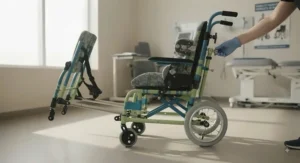
This is the section worth reading most carefully. In Canada, medical devices including wheelchairs fall under Health Canada’s oversight, and manufacturers selling into the Canadian market are expected to meet recognized device safety standards; when in doubt about a specific product’s compliance status, that’s a legitimate question to put directly to the seller or manufacturer before buying. Beyond federal device rules, funding is largely provincial. In Ontario, for example, the Assistive Devices Program covers a substantial share of the cost of manual and power wheelchairs and specialized seating for residents with a long-term physical disability, provided the equipment is authorized by an ADP-registered occupational therapist or physiotherapist — generally covering 75% of the approved cost, or up to 100% for families receiving certain provincial income supports. Other provinces run similar programs under different names, so it’s worth checking your own provincial health ministry’s site directly.
The practical takeaway: if your toddler’s mobility need looks like it will last more than six months, don’t just buy the best Amazon listing and stop there — start a conversation with your paediatrician or a paediatric occupational therapist about a funded assessment in parallel. A generic transport chair can absolutely serve as a stopgap while that process unfolds, but it shouldn’t replace a properly authorized, correctly fitted seating system for a child who needs one long-term. Organizations like CanChild at McMaster University publish accessible, evidence-based resources on childhood mobility and disability that are genuinely worth a parent’s time, well beyond what any product listing will tell you.
Paediatric Wheelchair for Special Needs: Positioning Considerations
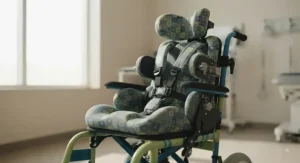
For a toddler with more complex needs — significant low or high muscle tone, limited head control, or a diagnosis like cerebral palsy — a basic transport chair’s flat seat and standard belt usually aren’t enough on their own. What most buyers overlook about “positioning” as a concept: it isn’t just about comfort, it’s about preventing secondary complications like hip subluxation or spinal curvature that can develop over years of poorly supported sitting. This is precisely the territory where a paediatric occupational therapist’s assessment earns its keep, because they can evaluate your child’s specific tone, range of motion, and postural needs and recommend add-ons — lateral trunk supports, a headrest, a contoured cushion, or a full custom-moulded seating system — that no generic Amazon listing is equipped to specify correctly.
None of the seven chairs above should be treated as a substitute for that assessment if your toddler has these more complex needs. They can, however, serve as an interim or secondary transport option while a fully funded, custom-fitted system works its way through the provincial approval process, which — as covered above — realistically takes weeks to a few months.
Early Intervention Mobility: Why Timing Matters
Early mobility access is one of the more evidence-backed arguments in paediatric rehabilitation, and it’s worth understanding as more than a nice-to-have. Independent movement, even in a modest transport chair, gives a toddler the chance to explore their environment, initiate social interaction, and build spatial reasoning skills at the same developmental window as their non-disabled peers — waiting for a “perfect” custom chair before allowing any independent mobility can mean missing months of that developmental window. Reviewers and clinicians in the paediatric mobility space consistently emphasize that an imperfect chair used consistently tends to support development better than a perfect chair that arrives a year later.
This is part of why so many paediatric rehab teams recommend a stopgap transport chair, exactly like the models compared above, while a custom system is in the funding pipeline — it’s not a compromise on quality of care, it’s a recognition that early intervention timelines matter developmentally. If you’re navigating this stage, ask your child’s care team directly about interim mobility options rather than assuming you have to wait for the “real” chair to arrive before your toddler starts moving independently
✨ Don’t Miss These Exclusive Deals!
🔍 Take your paediatric mobility shopping to the next level with these carefully selected products. Click on any highlighted item to check current pricing and availability on Amazon.ca. The right chair today can make a real difference in your toddler’s independence and your daily routine.
Adaptive Seating: Beyond the Wheelchair Itself
Adaptive seating deserves its own mention because it’s often more urgent than the wheelchair frame itself for toddlers with postural needs. A wheelchair frame is essentially the vehicle; adaptive seating — cushions, inserts, lateral supports, harness systems — is what actually holds a child’s body in a healthy, functional position within that vehicle. Reviewers and clinicians alike point out that families sometimes spend their whole budget on the chair frame and treat seating inserts as an afterthought, when in many cases the seating insert matters more for a toddler’s comfort and safety than the frame brand.
Basic aftermarket options — foam wedges, rolled towels for interim lateral support, gel or foam cushions — can bridge the gap affordably while a custom seating assessment is pending, but they’re genuinely a bridge, not a destination, for a toddler with significant postural needs. If your child’s OT recommends a specific cushion type or support configuration, prioritize sourcing that correctly over saving a few dollars on a generic alternative; ill-fitting seating support can actively work against the goals it’s meant to achieve.
Common Mistakes When Buying a Paediatric Wheelchair for a Toddler
Buying the widest seat “for growing room” is probably the single most common misstep — a toddler needs proportional trunk support today, not room to grow into over two years, and a too-wide seat undermines stability from day one. A close second is skipping the belt-fit check after unboxing; a listing photo never shows you exactly how a belt sits on your specific child’s body, so that first fitting session at home matters. Buying without any professional input at all is a third common mistake, particularly for a chair intended as a long-term daily device rather than an occasional transport aid — even a quick conversation with a paediatrician can flag issues an online listing can’t. Finally, some families delay any purchase at all while waiting on a funding decision, missing months of early mobility benefit in the process — an affordable interim chair is almost always better than none while paperwork moves through the system.
What to Expect: Real-World Performance
On paper, most of these chairs read similarly — folding frame, safety belt, adjustable footrest. In daily use, the differences show up in the small friction points: how many hands it takes to fold and load the chair into a trunk, how the belt holds up after months of buckling and unbuckling, how the wheels handle a slightly uneven sidewalk slab. Reviewers consistently note that budget imports tend to perform comparably to name-brand chairs in the first few months, with the gap widening after six months to a year as hardware, fabric, and welds see repeated daily stress. If your toddler will be using the chair daily rather than occasionally, that longevity gap is worth weighing more heavily than the sticker price alone suggests.

Frequently Asked Questions
❓ What age is a toddler wheelchair for?
❓ Is a toddler wheelchair the same as a special needs stroller?
❓ Does insurance or government funding cover a paediatric wheelchair in Canada?
❓ Can a toddler wheelchair be used as a car seat?
❓ How do I know if my toddler needs a paediatric occupational therapy assessment before buying?
Conclusion
Shopping for a paediatric wheelchair for toddlers sits at an uncomfortable intersection of urgent need and genuinely limited off-the-shelf options — most of what’s readily available on Amazon.ca is a scaled-down transport chair rather than a purpose-built toddler positioning system, and that’s worth knowing going in rather than discovering after the fact. Among the seven models compared here, the Ziggo 12″ Pediatric Wheelchair offers the truest toddler-scale fit, the Wallaby Pediatric Wheelchair earns its higher price through genuine crash-tested transport capability, and models like the Medline Pediatric Wheelchair and CUIOT Pediatric Wheelchair offer sensible, affordable stopgaps while a longer-term plan comes together.
That longer-term plan matters more than any single product choice. If your toddler’s mobility need looks like it’s going to last, start the conversation with a paediatrician or occupational therapist now, while you’re also comparing chairs — the two tracks can run in parallel, and starting early on funding and assessment paperwork tends to save both money and stress down the line. Whichever chair you land on today, treat it as one part of a bigger picture, not the whole answer.
Recommended for You
- Extra Wide Wheelchair for Plus Size Adults: 7 Best Picks (2026)
- Heavy Duty Wheelchair 2026: 7 Top Picks for 400+ lbs
- Bariatric Wheelchair for Home Care: 7 Tough Picks (2026)
Disclaimer: This article contains affiliate links. As an Amazon Associate, I earn from qualifying purchases. If you purchase products through these links, we may earn a small commission at no additional cost to you.
✨ Found this helpful? Share it with your friends! 💬🤗
